
Slots Pagantes: What Players Ask About Payout Ratesjogar777_2026 Site oficial / Download App 【55ii.com】A top-tier casino platform offering the best online casino promotions. New users can receive up to 888 dollars in bonus credit upon registration and making a deposit.
Why do some players swear by slots pagantes while others see the same machine drain their balance?The answer usually comes down to RTP and volatility, not luck.RTP, or return to player, is the percentage of all wagered money a slot pays back over millions of spins. A 96% RTP slot returns 96 euros for every 100 euros bet, on average. That 4% is the house edge. But here's the catch: RTP is a long-term average. In a single session, anything can happen. I've seen a 97% RTP slot eat 200 spins without a bonus, and a 94% RTP slot hit three free-spin rounds in twenty minutes. So when someone asks if slots pagantes really pay。the honest answer is: they pay over time, not on demand.Volatility matters just as much. High-volatility slots pagantes chase big wins but hit less often. Low-volatility ones pay smaller amounts more frequently. Your bankroll should match the volatility. If you have 50 euros and play a high-volatility slot at 1 euro per spin, you might see zero returns. The same 50 euros on a low-volatility slot at 0.20 per spin gives you 250 spins—enough to feel the rhythm. I learned this the hard way in Malta, watching a friend burn 100 euros on a high-volatility slot in fifteen minutes, then complain the game was rigged. It wasn't rigged;it was just doing what high-volatility slots do.
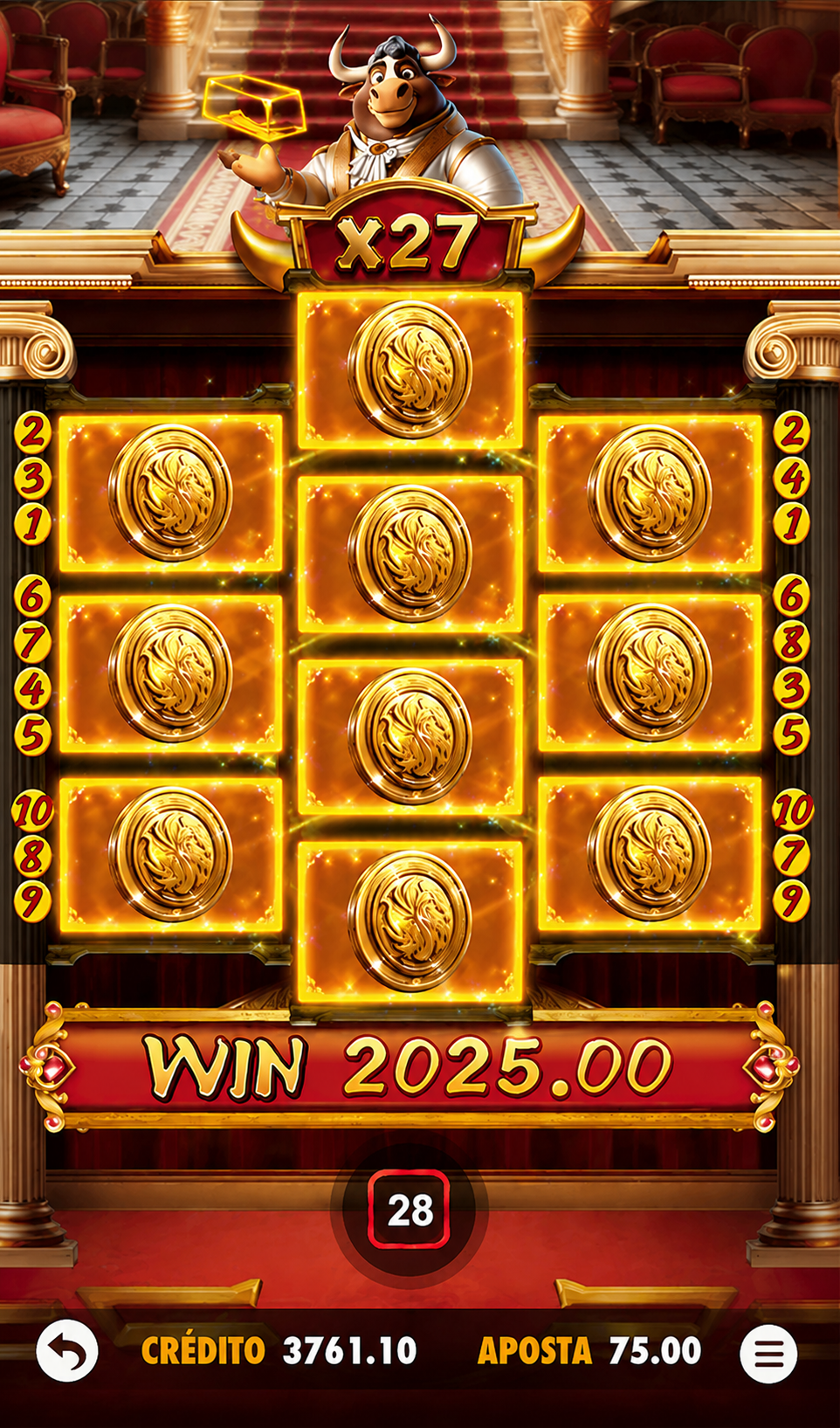
Do slots pagantes actually exist, or is it a myth?They exist, but not as a secret list. Every licensed slot has a published RTP. You can find it in the game rules or on the provider's site. The trick is that casinos sometimes offer lower RTP versions of the same game. A Play'n GO slot might be 96.5% on one site and 94% on another. That difference adds up. Over 10。000 spins at 1 euro each, you'd lose 250 euros more on the lower RTP version. So when hunting for slots pagantes, check the paytable, not the marketing banner.

Another question I hear: do progressive jackpots count as slots pagantes?They can。but the base game RTP often drops to 92-94% because part of each bet feeds the jackpot. The overall RTP including the jackpot can be higher, but only if someone wins it. If the jackpot sits for months, the effective RTP for most players is lower. I treat progressives as lottery tickets with spinning reels—fun, but not where I expect steady returns.What about hot and cold slots?Players often ask if a machine that hasn't paid in hours is due. It isn't. Each spin is independent. A slot that paid ten times in a row is no more or less likely to pay on the next spin. This is the gambler's fallacy, and it costs people money. I've tracked sessions where a slot pagante went cold for 500 spins, then paid out three bonuses in fifty spins. The machine didn't know it was due;

the random number generator just happened to align. So ignore the hot/cold talk and focus on RTP and volatility.Bankroll management ties it all together. Even the best slots pagantes will drain you if you bet too big. A simple rule: bet no more than 1% of your bankroll per spin. With 200 euros。that's 2 euros per spin. This gives you enough spins to survive variance and maybe catch a bonus. I also set a loss limit and a win limit. If I'm up 50%, I cash out half. If I'm down 50%, I stop. It's not glamorous, but it keeps the session enjoyable.Finally, choose licensed casinos with clear RTP information. A casino that hides RTP or offers only low-RTP versions isn't worth your time. Look for providers like NetEnt, Microgaming。
and Play'n GO, which publish RTP ranges. And remember: slots pagantes are not a guarantee. They're a tool for smarter play. The house always has an edge, but with the right knowledge, you can stretch your entertainment budget and maybe walk away with a story or two.